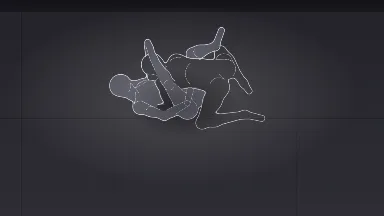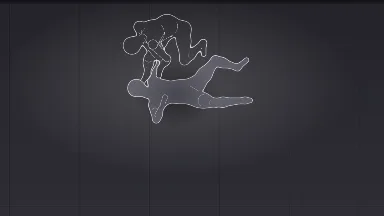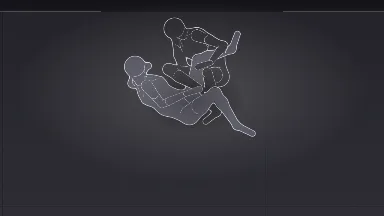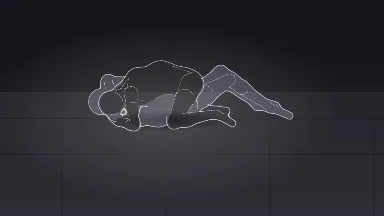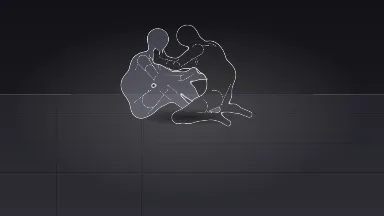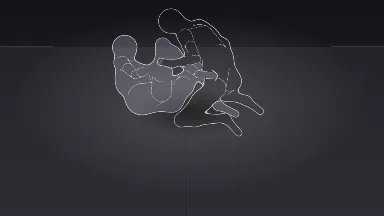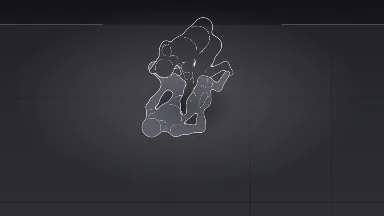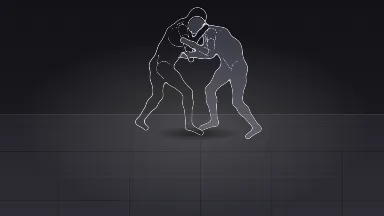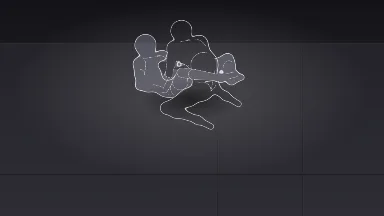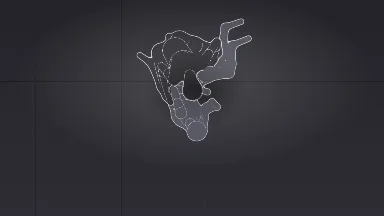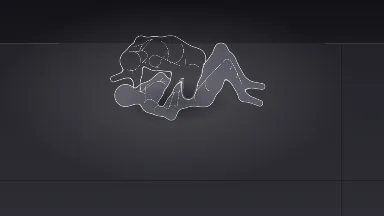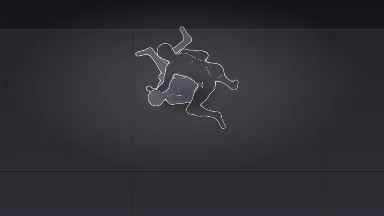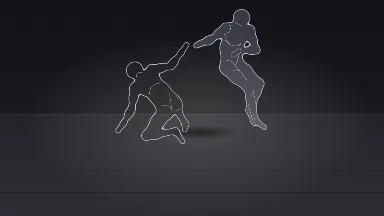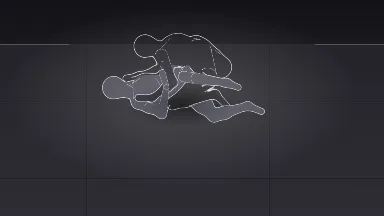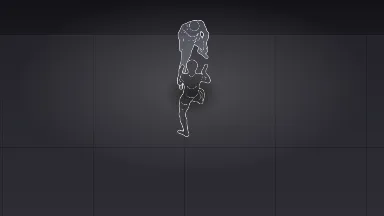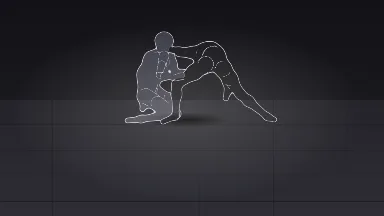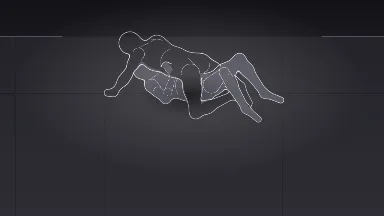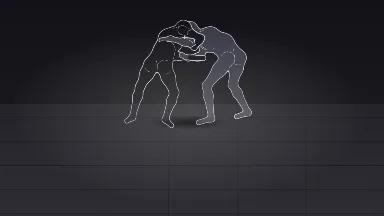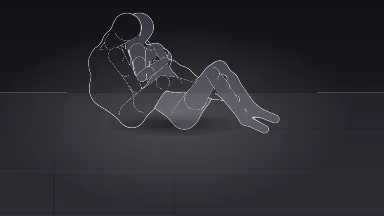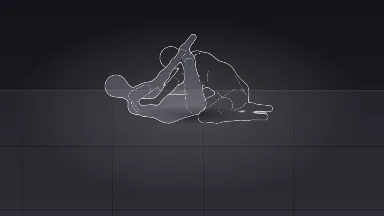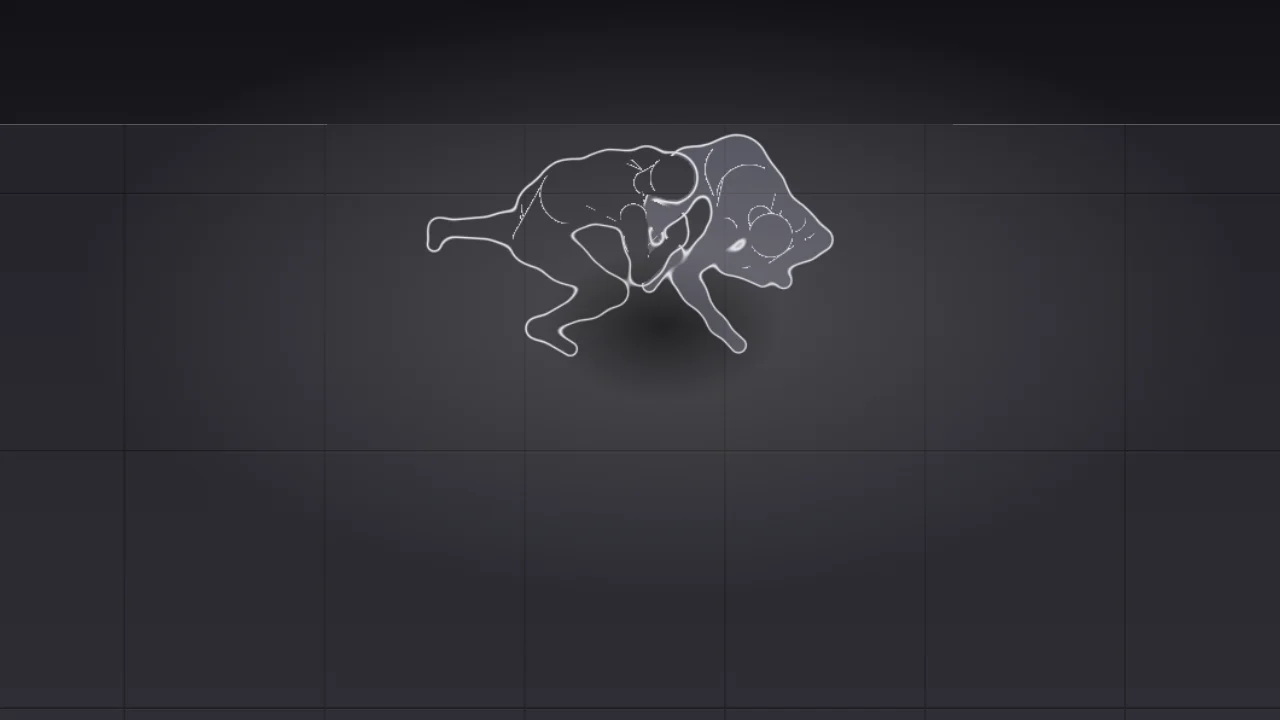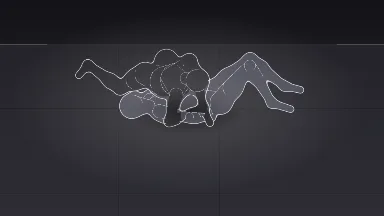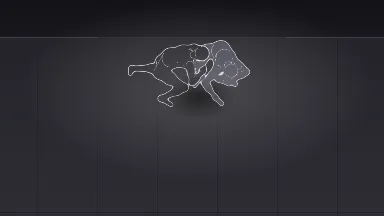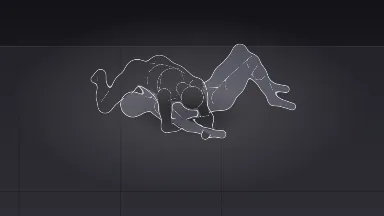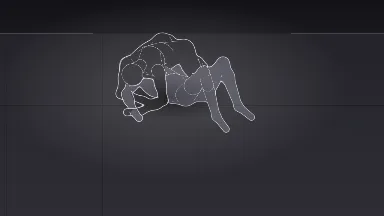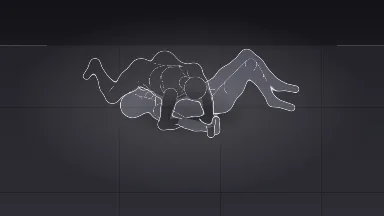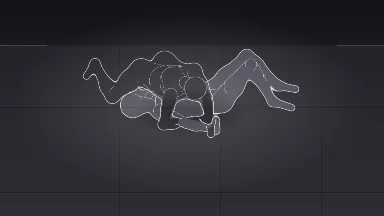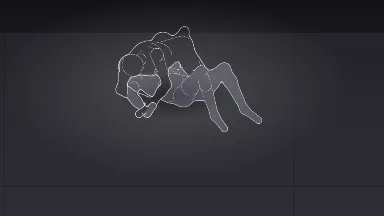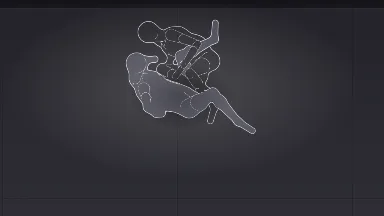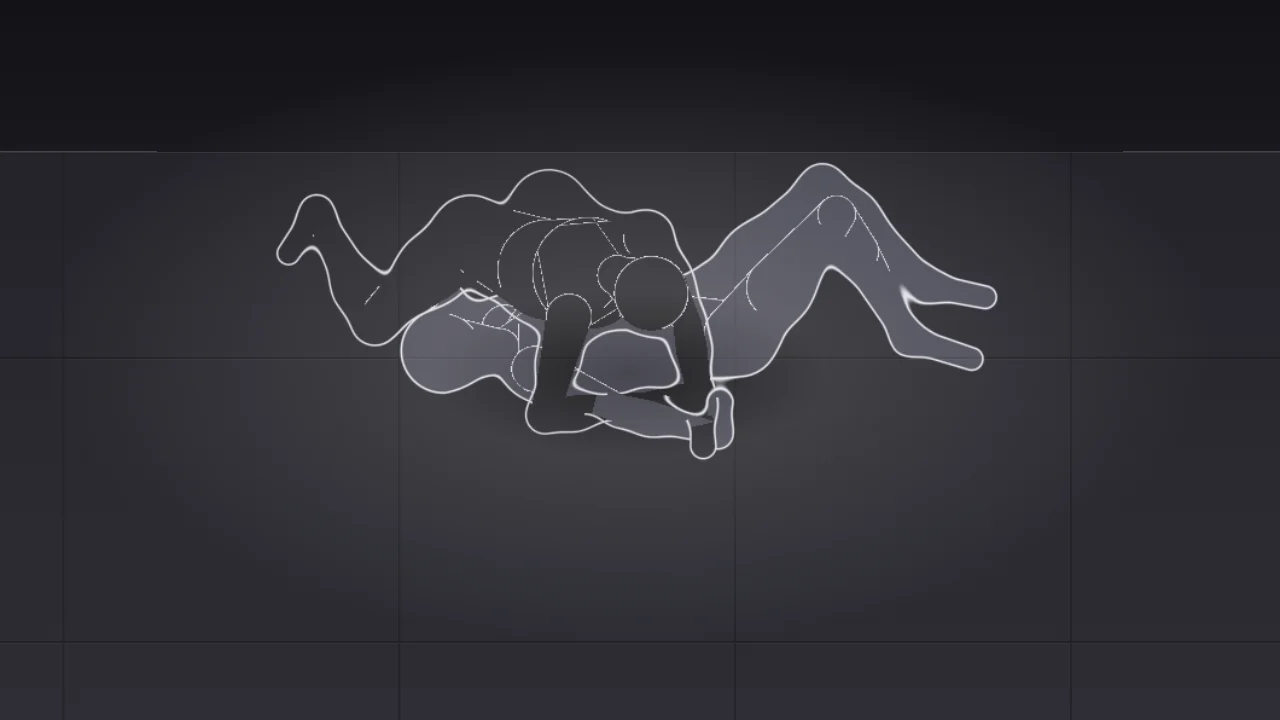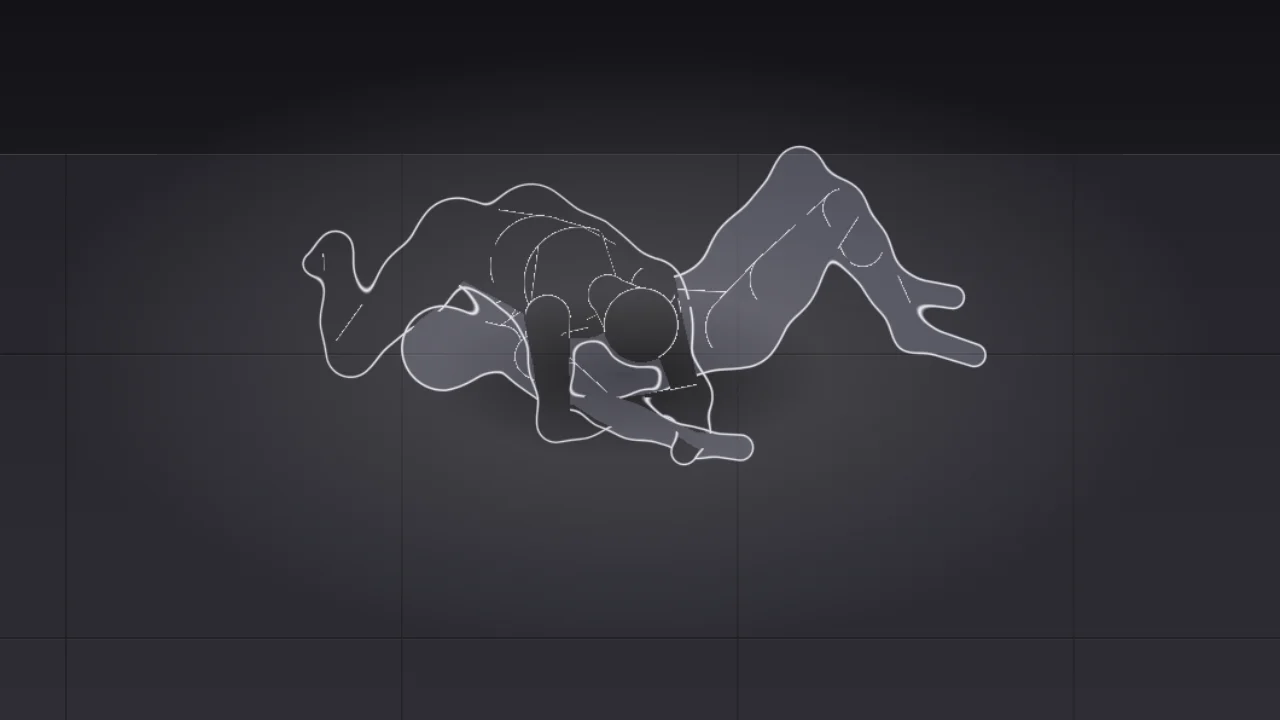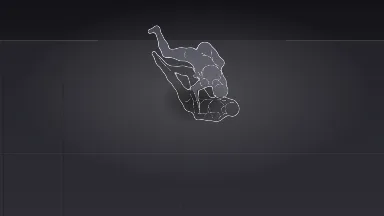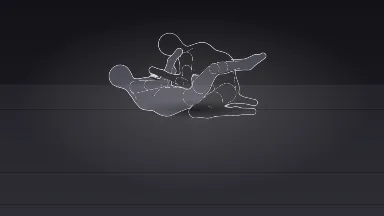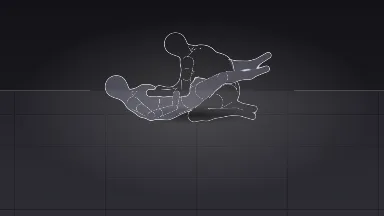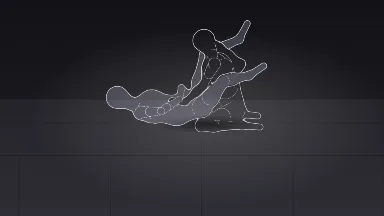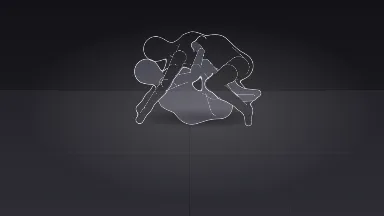
Vol 2 The Double Wrist Lock
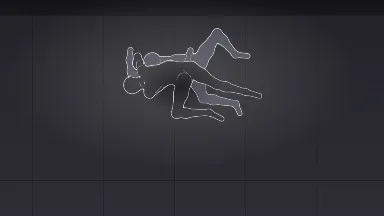
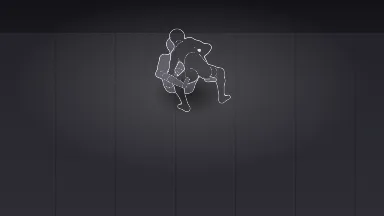
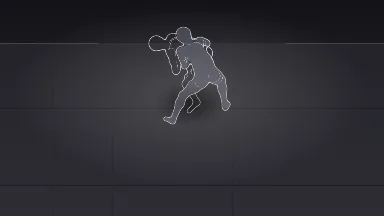
Vol 2 Turtle Systems
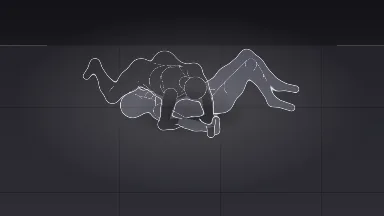
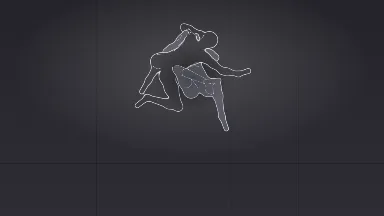
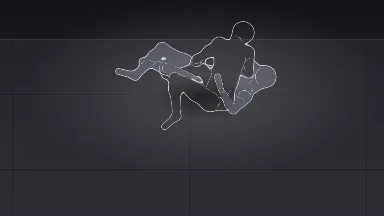
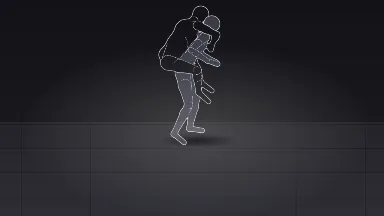
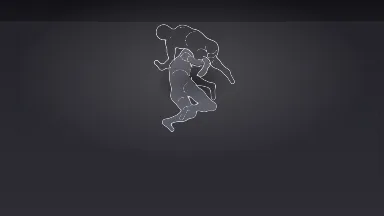
Vol 2 Back Attacks
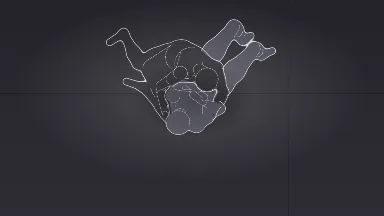
Ask about your library12 instructionals

Who else teaches the figure four from the guard?

Three of your instructionals cover it. The Double Wrist Lock sets it up from the hip bump . Turtle Systems takes it from the front headlock when the opponent turns in . Back Attacks uses it as a bail-out when the seatbelt slips .
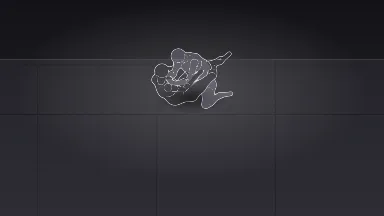
The Double Wrist Lock · Vol 1LibraryNotebookMapSearch⌘K

…step over the head, and walk the wrist up the back, an inch at a time.

Hand fightingThe figure-four gripFrom the topFrom the guardDefencesWrist control firstThe figure-four gripFrom side controlFrom the guardWhen they grab their beltQuestions from the class
−5s+5s1×16:12 / 41:30From side control
The figure four or the armbar

When does the figure four finish from the top, and when do you switch to the armbar?

When the elbow stays tight to the ribs. Step over the head and walk the wrist up the back . When the elbow comes away, you switch to the armbar instead . Both start from the same wrist control .

Save to Notebook
Try asking

Every instructional on your Mac, broken down to the second.

For BJJ and grappling instructionals. Figure 4 writes down what the coach says, and AI finds the chapters and files each one by topic.

Get Figure 4

For the video files on your Mac. macOS 26 or later.

Ask it. The answer takes you to the moment.

Ask the AI about the video you’re watching. It answers from what the coach said, with a time on each claim: click one and that moment plays.

When does the figure four finish from the top, and when do you switch to the armbar?

When the elbow stays tight to the ribs. Step over the head and walk the wrist up the back . When the elbow comes away, you switch to the armbar instead . Both start from the same wrist control .

Or ask your whole library.

One question, all your instructionals. Click any moment to play it.

Who else teaches the figure four from the guard?

33 volumes searched

Three of your instructionals cover it.

The Figure 4 window playing The Double Wrist Lock, Vol 1, at 16:12 in the chapter From side control, with the subtitle: step over the head, and walk the wrist up the back, an inch at a time. Under the video the chapter strip opens into five lanes by topic. Further down the story, its Ask panel answers a question about the volume with times that play the moments, then the same kind of question is asked across the whole library.

A map of a sample library of 12 instructionals: the broad topics and the topics inside them round a centre, each of its 127 chapters a dot in the outer ring in its instructional’s colour. Kimura is lit, under Submissions and Shoulder locks. Tab through the topics, Enter brings one to the centre, Escape steps back out.

Kimura: 11 chapters from 3 instructionals

Your whole library, sorted by what it teaches.

Each chapter is filed under a topic by what the coach actually says, not what the title says. Open a topic for its report: what your library teaches about it, with a time on every claim.

Inside one instructional, a topic plays back to back across its volumes.

12 instructionals · 127 chapters · 18 h 13 m

Notes pinned to the second.

Write a note, draw on a frame, loop a clip, or lay a move out step by step. Each stays tied to its moment in the video.

NoteN4:12

Own the wrist before anything. Said again at 14:20.

SnapshotS11:30

Thumb on top of the wrist, not around it.

ClipC16:20 – 17:02

Loops while you drill · 0:42

SequenceF24:40

1
2
3

2 · Hip bump, then the far wrist.

4 notes on The Double Wrist Lock · Vol 1, pinned to their seconds on its tape: a note at 4:12 (Own the wrist before anything. Said again at 14:20.), a snapshot at 11:30 (Thumb on top of the wrist, not around it.), a clip at 16:20 – 17:02 (Loops while you drill, 0:42), a sequence at 24:40 (step 2: Hip bump, then the far wrist.).

Everything it writes is yours, as plain files.

Figure 4 saves everything it writes as plain Markdown, in folders laid out like the app: your transcripts, topic reports and notes. Keep it, back it up, or hand it to the AI of your choice, now or years from now. Your videos never leave your Mac.

What goes to the AI, exactly

Figure 4 Vault

Kimura.mdMap › Submissions › Shoulder locks

---
title: "Kimura"
topic: "Kimura"
kind: report
generated-by: Figure 4
---

# Kimura

_Report · 11 chapters_

Three of your instructionals teach the kimura, and they agree on the grip more than on the finish. The Double Wrist Lock builds a whole system on it, from the top and the guard; Turtle Systems takes it from the turtle and the front headlock; Back Attacks uses it on the way to the back rather than as the end.
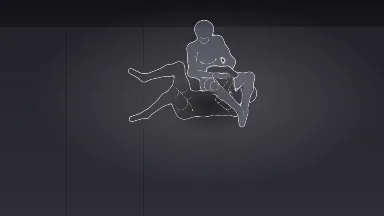
## 1 Where the coaches agree

Own the wrist before anything else. The Double Wrist Lock doesn’t move until one wrist is held (The Double Wrist Lock · Vol 1 · 14:22), and Turtle Systems says the same from the front headlock: wrist first, then the figure four over the back (Turtle Systems · Vol 2 · 3:45).

The grip is the figure four, the thumb on top of the wrist rather than around it (The Double Wrist Lock · Vol 1 · 11:25); around it, they slip out.

## 2 Where they differ

On the finish. The Double Wrist Lock finishes it from side control, walking the wrist up the back an inch at a time (The Double Wrist Lock · Vol 1 · 16:12). Back Attacks tells you not to fight for it when the opponent grabs the belt, and to take the back instead (Back Attacks · Vol 2 · 7:42).
On the turtle. Turtle Systems reaches under the chest for the posted arm (Turtle Systems · Vol 1 · 15:25); The Double Wrist Lock goes to the near side first and threads the arm in from behind (The Double Wrist Lock · Vol 3 · 8:12).

## 3 Keeping it

Keep the elbow on the ribs (The Double Wrist Lock · Vol 1 · 15:58) and the hips low: the lock comes from the hips, not the arms (The Double Wrist Lock · Vol 1 · 16:25). If the elbow comes away from the ribs, don’t chase it (The Double Wrist Lock · Vol 1 · 16:38).

Where the grip gets broken: almost always at the thumb (The Double Wrist Lock · Vol 1 · 34:42).

## 4 Getting there

From the guard, off the hip bump: they post a hand and you catch the far wrist (The Double Wrist Lock · Vol 2 · 9:35), then fall to the side of the arm with your leg over the back (The Double Wrist Lock · Vol 2 · 10:27).

From the front headlock, when the opponent turns in and the near arm comes loose (Turtle Systems · Vol 2 · 3:20). From the seatbelt, when they two-on-one the choking arm (Back Attacks · Vol 1 · 17:35).

## 5 What it opens

The armbar, when the elbow leaves the ribs and the arm gets long (The Double Wrist Lock · Vol 1 · 18:22): the same wrist and the same grip, a different joint (The Double Wrist Lock · Vol 1 · 19:02).

The back, when they roll forward to save the arm (The Double Wrist Lock · Vol 2 · 17:15) or turn away to hide it (The Double Wrist Lock · Vol 1 · 20:42).

## 6 What your library doesn’t cover

None of your instructionals finishes the kimura from the mount or standing, and the only defence any of them teaches is the opponent’s: grabbing the belt (The Double Wrist Lock · Vol 1 · 29:12).

Get Figure 4

You need your instructionals as video files, and an Apple silicon Mac on macOS 26 or later. Courses that only stream won’t work.

Prices include VAT. Payment by Polar, no account needed. Your licence key arrives by email, with the download link.

Credit for your first two or three instructionals, included.

Playback, search and notes never cost more. The AI that writes chapters, summaries and answers runs on credit; top up when it runs out.

  • Credit to start$6 of credit, about 20 hours of video.

  • Every featureNo tiers, no Pro.

  • Three MacsOne licence covers all three.

  • A year of updatesUpdates for 12 months. After that, your version keeps working.

  • RefundThe full price back within 14 days, no reason needed.

  • Your own API key, if you have oneAn Anthropic, OpenAI or OpenRouter key works instead of credit. You don’t need one.

What credit costs

Reading a videoabout $0.30 an hour, once

A questionabout 3 cents

Top-ups are $10, $15 or $20. Credit lasts 12 months from your latest purchase.

Before you buy.

Which videos does it work with?

Video files on your Mac: a downloaded course folder or single files in MP4, MOV, M4V, MKV, AVI or WebM. Videos that only play inside a seller’s app or website can’t be opened.

Which Macs?

A Mac with Apple silicon on macOS 26 or later.

Do I need an AI subscription or an API key?

No. The AI runs on the credit that comes with Figure 4. If you already have an Anthropic, OpenAI or OpenRouter API key, you can use it instead. A ChatGPT or Claude subscription isn’t an API key.

What is credit, and what happens when it runs out?

Credit pays the AI, at the provider’s price. A video is read once; watching, searching and taking notes never use credit. When it runs out, all of that keeps working, and new reading and questions wait until you top up or add your own key.

What leaves my Mac?

Text only: the transcript and the chapter titles on screen. Transcription runs on your Mac. A saved sequence also sends its frames, which you can turn off in Settings. With your own key, the text goes straight to your provider. Your videos never leave.

How long does reading an instructional take?

About 40 minutes for a 14-hour instructional, on an Apple silicon Mac.

Which languages?

English works best. Your Mac’s language needs to match the instructional’s.

What if my instructional has no chapter titles on screen?

Figure 4 finds them from what the coach says.

Is it only for jiu-jitsu?

It’s built around grappling instructionals: BJJ, catch wrestling, wrestling, judo. It reads any course where someone teaches by talking.

How many Macs?

Three per licence. Deactivate one in Settings to move it to another.

Do I need an account?

No. Your licence key arrives by email from Polar. Paste it once, or click Open Figure 4 on the thank-you page.

Refunds?

The full price back within 14 days, no reason needed: reply to your receipt from Polar. The licence key then stops working, and credit you’d used isn’t charged.

Every instructional on your Mac. Figure 4 already knows where everything is.